Views: 0 Author: Site Editor Publish Time: 2025-10-14 Origin: Site
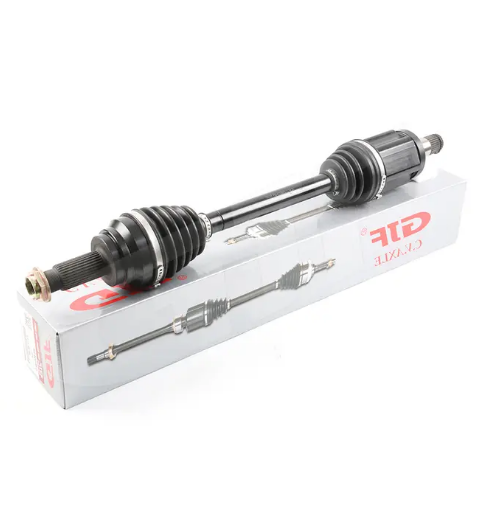
You measure drive shaft length from the mounting point to the connection end. It is important to use the right method. Even a small mistake can change how your vehicle performs. If the drive shaft is too long, you might experience vibration and potential damage to transmission components. But if it's too short, it may not engage properly. This can lower your vehicle's performance and cause premature wear. Proper length drive shafts help maintain optimal drivetrain angles and ensure smooth power transfer. Many automotive shops provide professional measuring services to determine the exact drive shaft length needed. The industry standard varies by vehicle make and model, with proper specifications critical for performance. GJF Auto Parts, as a leading drive shaft manufacturer, gives expert help and high-quality products for all your drive shaft needs.
Measure the drive shaft length from the mounting point to the connection end. Use a precision tape measure or specialized gauges for best results.
Make sure the vehicle is on a level surface with proper support. This prevents movement and ensures accurate measurement.
Record the length after you measure it. This allows you to compare specifications and order the correct auto drive shaft replacement.
Avoid common mistakes like measuring at the wrong angle or failing to account for all components. These errors can lead to poor performance and premature failure.
Consider consulting with professionals for precise drive shaft fitting. GJF's expertise helps ensure optimal installation and vehicle performance.
Before you start measuring your drive shaft, you need the right tools. Using the correct equipment helps you get an accurate measurement every time. Here are the essential tools you should have:
A professional-grade tape measure is the most common tool for this job. Choose one that is at least 2 meters (78 inches) long. This length covers most drive shaft applications. A tape measure is flexible, so you can follow any contours if needed. Some automotive professionals use specialized drive shaft measuring gauges for even more precise results. These tools are designed specifically for automotive applications, which can help you avoid measurement errors. Always make sure the measuring device has clear markings for accurate readings.
Tip: Start the tape measure at the exact mounting point and measure to the connection end. Any deviation can change the result and lead to improper fitment.
You need a stable surface to position the vehicle. A level floor or professional lift works well. Ensure the vehicle is properly supported and level. This keeps the chassis steady and helps you measure from the right reference points. A stable surface prevents movement, which can lead to inaccurate measurements.
Professional mechanics often use marking tools. These help identify precise measuring points on the drive shaft components. If you don't have specialized marking tools, you can use chalk or a non-permanent marker to note your reference points. Consistent marking ensures your measurements are repeatable and accurate.
Using these tools ensures your measurement is precise and reliable.
Professional tools help you avoid common mistakes, such as measuring at incorrect angles or missing critical reference points.
| Tool | Purpose |
|---|---|
| Tape Measure/Ruler | Measures the length of the drive shaft components |
| Level Surface/Lift | Keeps the vehicle stable for accurate readings |
| Marking Tools | Identifies precise measuring points |
When you use the right tools, you get a true reading of your drive shaft length. This helps you choose the best wholesale drive shaft for your vehicle and ensures proper fitment.
Start by placing your vehicle on a level surface or lift. Make sure the vehicle is properly supported and the suspension is at its normal ride height. This position keeps the vehicle steady and helps you get an accurate reading. You can use vehicle stands if you don't have access to a professional lift. The undercarriage should be accessible for proper measurement. If you have special measuring equipment, use it to establish reference points. This step is important because any tilt or angle can change the length you measure.
Tip: Always ensure the vehicle is securely supported. Safety should be your primary concern when working underneath any vehicle.
Now you can measure the drive shaft length. Take a tape measure or a specialized automotive measuring tool. Place one end at the mounting point (typically at the transmission or transfer case flange). Stretch the tape along the centerline where the drive shaft would be installed, until you reach the connection point (usually at the differential or rear axle). This method is the standard for most automotive professionals and drive shaft manufacturers like GJF Auto Parts.
Here is a simple step-by-step guide:
Identify the mounting point at the transmission/transfer case end
Align the tape measure with this point
Measure straight to the connection point at the differential/axle end
Read the number on the tape at this point
If you're measuring components of a drive shaft assembly, you need to account for the overlap where components connect. This ensures the complete assembly will have the correct overall length when installed.
| Fitter Type | Measurement Technique | Considerations |
|---|---|---|
| DIY Mechanics | Basic tape measure | Simple method, requires attention to detail |
| Professional Mechanics | Specialized automotive measuring tools | Considers vehicle-specific mounting points and angles |
Note: Many vehicle manufacturers provide specifications for drive shaft length. These can be found in service manuals and are valuable references when ordering replacement parts.
After you measure, write down the exact length and any other relevant dimensions. This step helps you compare specifications and ensure you order the correct replacement auto drive shaft. The length you record affects how your drive shaft performs. A drive shaft that's too long can cause binding and vibration. One that's too short may pull apart during suspension movement. The optimal drive shaft length depends on your specific vehicle make, model, and any modifications to the suspension or drivetrain.
The length of the drive shaft directly impacts drivetrain angles and performance
A properly sized drive shaft improves both power transfer and component longevity
Personalized consultation with experts like those at GJF helps ensure you get the right drive shaft for your application
Tip: Always double-check your measurement. Small errors can lead to significant problems with drive shaft installation and vehicle operation.
| Detail | Description |
|---|---|
| Standard | Vehicle manufacturers specify correct drive shaft lengths for each model |
| Modifications | Suspension lifts or drivetrain modifications may require custom lengths |
| Impact | Incorrect length can cause premature wear, vibration, and power loss |
By following these steps, you can measure your drive shaft length with confidence. Use the right tools, follow the correct method, and record your results accurately. This process helps you find the optimal drive shaft for your vehicle's specific requirements.
When measuring drive shaft length for replacement, you need to understand the standard specifications for your vehicle type. Most passenger cars have drive shafts ranging from 30 to 55 inches, while trucks and commercial vehicles may have significantly longer ones. These measurements vary based on vehicle design, wheelbase length, and drivetrain configuration. Knowing these standards helps you compare your measurements to what's expected for your specific vehicle.
| Vehicle Type | Typical Drive Shaft Length Range |
|---|---|
| Compact Cars | 30-40 inches |
| Mid-size/Full-size Cars | 40-55 inches |
| Light Trucks/SUVs | 45-65 inches |
| Commercial Vehicles | 60+ inches |
You might notice that drive shaft specifications can change based on the vehicle category. Here's a quick look at how drive shaft configurations vary:
| Category | Drive Shaft Configuration | Special Considerations |
|---|---|---|
| Front-wheel Drive | Short stub axles | Includes CV joints |
| Rear-wheel Drive | Single or two-piece shaft | May include center support bearing |
| Four-wheel Drive | Front and rear shafts | Includes transfer case connections |
The drive shaft length you select affects your vehicle's performance and reliability. If you use a shaft that matches the standard specifications for your vehicle, you can expect proper function and longevity.
Tip: Always verify your vehicle's specific requirements before ordering a replacement drive shaft. This helps you avoid fitment issues.
You might wonder why some vehicles require custom-length drive shafts. Modifications such as suspension lifts, transmission swaps, or custom chassis builds often necessitate specially measured drive shafts. Here are some factors that influence drive shaft length requirements:
Vehicle Modifications: Lift kits or lowering kits change the distance between drivetrain components
Engine/Transmission Swaps: Different mounting positions affect required shaft length
Custom Applications: One-off builds require precise measurements
Professional automotive technicians use specialized equipment to determine the exact drive shaft length needed for modified vehicles. This helps ensure proper drivetrain angles and smooth operation. The length of a drive shaft directly impacts vibration characteristics and component life.
| Modification Type | Impact on Drive Shaft Length | Solution |
|---|---|---|
| Suspension Lift | Increases required length | Custom-length drive shaft or adjustable shaft |
| Engine Setback | Changes angle and length | Custom drive shaft with appropriate U-joints |
| Chassis Modification | Alters mounting points | Precision-measured replacement |
When you need a replacement drive shaft, you want one that meets industry standards for quality and fitment. At GJF Auto Parts, we provide wholesale drive shafts and drive shaft assemblies that meet OE requirements and strict quality standards. Our products use high-strength alloy steel, precision spline machining, and advanced heat treatment. You get a reliable drive shaft that fits perfectly and delivers long-lasting performance. GJF offers a wide range of models for various vehicles, including options for electric and hybrid vehicles, so you always find the right fit.
GJF drive shafts follow the TS16949 Automotive Quality System
All specifications and durability meet OE requirements
Certified to ISO 9001:2000 for quality management
If you want a drive shaft that performs well and lasts, choose a component from GJF Auto Parts. As a professional drive shaft manufacturer with over 25 years of experience, we provide trusted quality and expert support every time.
When you measure drive shaft length, you want to avoid common mistakes that can affect your vehicle's performance. Even small errors can lead to improper fitment and premature component failure. Here are the most frequent mistakes and how you can prevent them.
Measuring at the wrong angle is a top mistake. If you don't keep the measuring tape aligned with the centerline of where the drive shaft should be, your length reading will be off. This can lead to a drive shaft that's either too long or too short for your application. Always make sure you're measuring along the proper installation path. If you measure at an angle, the length will not match the true requirement. This mistake can lead to poor performance, vibration, and potential drivetrain damage.
Tip: Use reference points on the vehicle to ensure you're measuring along the correct centerline path.
Some DIY mechanics forget to account for all components when measuring for a drive shaft assembly. If you measure only the visible space without considering mounting flanges, yokes, or connection points, your measurement will be inaccurate. Always include proper allowances for how the drive shaft connects at both ends. Both the transmission and differential connection methods influence the required length. Ignoring these factors can lead to a drive shaft that doesn't fit properly.
Include mounting flanges and connection points in your assessment
Consider the insertion depth at slip yokes or splined connections
Account for any center support bearings in two-piece drive shafts
Using improper tools can cause significant errors in your length measurement. A flexible tape measure works better than a rigid ruler, but it must be held straight without sagging. Professional measuring tools designed specifically for automotive applications provide the most accurate results. If you use inadequate measuring devices or techniques, you might miss critical dimensions. This can hurt performance and lead to premature failure.
Use a high-quality tape measure at minimum
Consider specialized automotive measuring tools for precision
Ensure the vehicle is properly supported and level during measurement
Incorrect positioning of the vehicle during measurement
Using inadequate measuring tools
Failing to account for all connection components
Not consulting vehicle-specific specifications
Measuring with the suspension at an incorrect height
| Mistake | Impact on Performance |
|---|---|
| Incorrect measurement angle | Vibration, binding, potential drivetrain damage |
| Not accounting for all components | Poor fitment, premature wear |
| Using improper tools | Inaccurate length, installation problems |
Note: Professional consultation from experienced drive shaft manufacturers like GJF Auto Parts helps you avoid these mistakes and ensures you get the right drive shaft for your specific application.
If you want the best performance and longevity from your vehicle's drivetrain, always use proper measuring techniques and consider professional assistance when ordering replacement drive shafts.
You can find the right drive shaft for your vehicle by following systematic steps. First, use accurate measuring techniques to determine the required length. Make sure the vehicle remains stable while you measure from the transmission to the differential connection points. Always verify your measurement multiple times to ensure accuracy. Automotive experts recommend checking your vehicle's specific requirements and selecting a quality drive shaft that matches those specifications. If you need assistance, GJF Auto Parts offers professional consultation services and advanced manufacturing technology.
| Service Type | Description |
|---|---|
| Custom Drive Shaft Fitting | Personalized selection based on your vehicle's specific requirements |
| Advanced Manufacturing Technology | Uses the latest production methods for precise specifications and durability |
For trusted auto drive shaft solutions and expert advice, count on GJF Auto Parts to help you maintain your vehicle's optimal performance.
You place your vehicle on a level surface with proper support. Use a tape measure from the transmission mounting point to the differential connection point. Make sure to measure along the centerline where the drive shaft will be installed. Record the precise measurement for ordering purposes.
Drive shaft lengths vary significantly depending on your vehicle's make, model, and drivetrain configuration. Most passenger cars have drive shafts ranging from 30-55 inches, while trucks may have longer ones. You can check your specific vehicle's requirements in the service manual or by consulting with a professional drive shaft manufacturer like GJF.
Yes. Proper drive shaft length is critical for optimal drivetrain angles and smooth operation. Incorrect length can cause vibration, premature wear of components, and even catastrophic failure. You should choose a drive shaft that precisely matches your vehicle's specifications.
You should use a professional-grade tape measure that's at least 2 meters (78 inches) long. Ensure it has clear markings and can maintain rigidity when extended. This helps you get an accurate measurement for your drive shaft assembly requirements.
GJF Auto Parts offers high-quality wholesale drive shafts and components that meet or exceed OE standards. With over 25 years of specialized experience in drive shaft manufacturing, strict adherence to TS16949 Automotive Quality Systems, and service to more than 115 countries, GJF provides expert support, reliable products, and fast delivery for all your drive shaft needs. Our comprehensive catalog of over 6,000 product models ensures we have the right solution for virtually any vehicle application.


