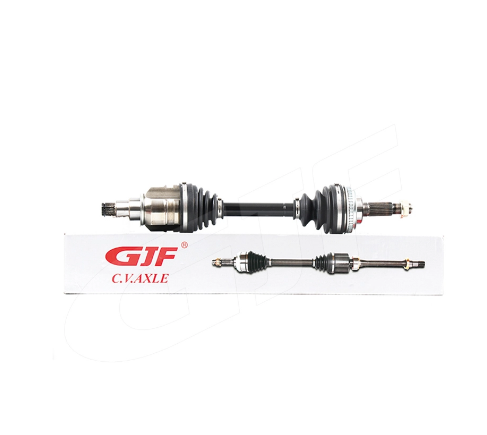
GJF specializes in high-quality CV Axle Shafts engineered for precise, reliable power transmission from the differential to the wheels. Designed with advanced technology and premium materials, our drive shafts ensure durability, perfect fit, and optimal performance under all driving conditions. Trust GJF for professional-grade half shafts that enhance vehicle efficiency and driving experience.
Often hidden beneath the vehicle, the drive shaft is the unsung hero of the drivetrain. This critical component diligently transfers torque from the transmission to the wheels, making motion possible. Yet, for such a vital part, a significant debate exists around its construction material. Enthusiasts, racers, and even fleet managers frequently consider moving from the Original Equipment Manufacturer (OEM) steel shaft to an aftermarket aluminum alternative. This decision is not just about choosing a different metal; it's about altering the vehicle's performance characteristics, from acceleration to cabin noise.
In the complex world of automotive engineering, few components are as fundamental yet as frequently confused as the drive shaft and the axle. While both are critical for transmitting torque, their roles, designs, and failure symptoms are distinctly different. Misidentifying them can lead to incorrect repairs, wasted time, and compromised vehicle safety. The effective transfer of power from the engine to the wheels is the heart of a vehicle's performance, and understanding each link in this chain is essential for technicians, parts suppliers, and enthusiasts alike. This article provides a definitive technical and commercial framework to distinguish these components, empowering you to make informed decisions for repair, procurement, and design.
The drive shaft is a critical component in automotive engineering, playing a pivotal role in the transmission of power from the engine to the wheels. This component is essential for the proper functioning of vehicles, whether they are designed for everyday use or high-performance applications. Understanding the intricacies of the drive shaft, its types, and its applications can provide valuable insights into automotive design and maintenance. For those interested in exploring a wide range of drive shaft options, the Auto Drive Shaft is a reliable source.
The drive shaft is a critical component in the automotive industry, responsible for transmitting torque from the engine to the wheels. Understanding the costs associated with drive shaft replacement is essential for car owners and repair shops alike. This article delves into the factors influencing the cost of drive shaft replacement, with a focus on different car models, including Japanese and German vehicles. For those interested in a comprehensive overview of drive shafts, the Auto Drive Shaft page provides valuable insights.
GJF specializes in high-quality CV Axle Shafts engineered for precise, reliable power transmission from the differential to the wheels. Designed with advanced technology and premium materials, our drive shafts ensure durability, perfect fit, and optimal performance under all driving conditions. Trust GJF for professional-grade half shafts that enhance vehicle efficiency and driving experience.
Often hidden beneath the vehicle, the drive shaft is the unsung hero of the drivetrain. This critical component diligently transfers torque from the transmission to the wheels, making motion possible. Yet, for such a vital part, a significant debate exists around its construction material. Enthusiasts, racers, and even fleet managers frequently consider moving from the Original Equipment Manufacturer (OEM) steel shaft to an aftermarket aluminum alternative. This decision is not just about choosing a different metal; it's about altering the vehicle's performance characteristics, from acceleration to cabin noise.
In the complex world of automotive engineering, few components are as fundamental yet as frequently confused as the drive shaft and the axle. While both are critical for transmitting torque, their roles, designs, and failure symptoms are distinctly different. Misidentifying them can lead to incorrect repairs, wasted time, and compromised vehicle safety. The effective transfer of power from the engine to the wheels is the heart of a vehicle's performance, and understanding each link in this chain is essential for technicians, parts suppliers, and enthusiasts alike. This article provides a definitive technical and commercial framework to distinguish these components, empowering you to make informed decisions for repair, procurement, and design.
The drive shaft is a critical component in automotive engineering, playing a pivotal role in the transmission of power from the engine to the wheels. This component is essential for the proper functioning of vehicles, whether they are designed for everyday use or high-performance applications. Understanding the intricacies of the drive shaft, its types, and its applications can provide valuable insights into automotive design and maintenance. For those interested in exploring a wide range of drive shaft options, the Auto Drive Shaft is a reliable source.
The drive shaft is a critical component in the automotive industry, responsible for transmitting torque from the engine to the wheels. Understanding the costs associated with drive shaft replacement is essential for car owners and repair shops alike. This article delves into the factors influencing the cost of drive shaft replacement, with a focus on different car models, including Japanese and German vehicles. For those interested in a comprehensive overview of drive shafts, the Auto Drive Shaft page provides valuable insights.