Views: 0 Author: Site Editor Publish Time: 2026-04-28 Origin: Site
Often hidden beneath the vehicle, the drive shaft is the unsung hero of the drivetrain. This critical component diligently transfers torque from the transmission to the wheels, making motion possible. Yet, for such a vital part, a significant debate exists around its construction material. Enthusiasts, racers, and even fleet managers frequently consider moving from the Original Equipment Manufacturer (OEM) steel shaft to an aftermarket aluminum alternative. This decision is not just about choosing a different metal; it's about altering the vehicle's performance characteristics, from acceleration to cabin noise.
The core of the issue lies in a trade-off between weight, strength, and vibration damping. To help you make an informed choice, this article provides a detailed technical comparison. We will explore the material properties, performance outcomes, and total cost of ownership for both steel and aluminum drive shafts. By understanding these differences, you can determine the best fit for your specific vehicle and application.
Weight vs. Efficiency: Aluminum shafts reduce rotational mass by 10–20 lbs, improving throttle response and fuel economy.
Durability Lens: Steel remains the industry standard for high-impact environments (e.g., rock crawling) due to its superior dent resistance.
Critical Speed: Aluminum offers a higher critical speed, making it safer for high-RPM or long-wheelbase applications.
NVH Factors: Steel is naturally better at dampening Noise, Vibration, and Harshness (NVH) compared to the resonant nature of aluminum.
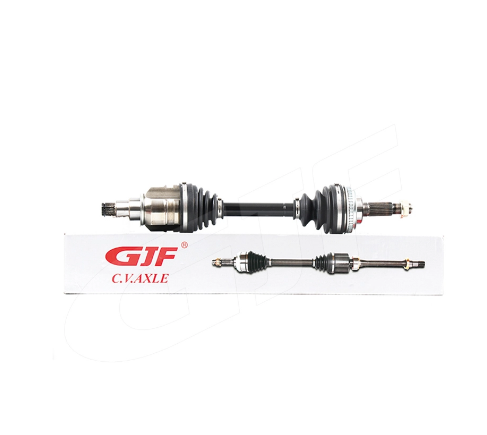
When comparing drive shaft materials, two engineering concepts are paramount: rotational mass and critical speed. These factors directly influence how a vehicle accelerates, its high-speed stability, and the overall feel of the powertrain. Understanding them is key to appreciating why a simple material swap can have such a profound impact.
Rotational mass, or rotational inertia, is the resistance of an object to changes in its rotational speed. Think of it as the spinning equivalent of weight. The heavier a component is, the more energy your engine must expend just to get it spinning and to speed it up. Reducing the weight of an auto drive shaft effectively "frees up" horsepower. The engine isn't making more power, but less of its power is wasted on turning heavy drivetrain parts. This results in several tangible benefits:
Improved Throttle Response: A lighter shaft spins up faster, making the vehicle feel more responsive and agile when you press the accelerator.
Quicker Acceleration: Less parasitic loss translates directly to better acceleration times, a crucial factor in performance driving.
Enhanced Engine Braking: A lighter drivetrain has less momentum, allowing the engine to slow the vehicle more effectively when you lift off the throttle.
An aluminum drive shaft is typically 30-50% lighter than its steel counterpart, which can mean a weight saving of 10 to 20 pounds. This reduction in rotational mass is one of the primary reasons drivers upgrade to aluminum for street performance and racing applications.
Every rotating shaft has a natural harmonic frequency. When the shaft's rotational speed (RPM) matches this frequency, it begins to flex and whip violently in the middle, much like a jump rope. This phenomenon is known as hitting "critical speed." At this point, the shaft can self-destruct, causing catastrophic damage to the vehicle's undercarriage. Critical speed is determined by the shaft's length, diameter, and material properties (stiffness and weight).
Aluminum's superior stiffness-to-weight ratio gives it a significant advantage here. It allows for a much higher critical speed than a steel shaft of the same dimensions. This has two key implications:
Higher RPM Capability: Vehicles with high-revving engines or aggressive gearing can safely operate at higher RPMs without risking drive shaft failure.
Longer Single-Piece Designs: For long-wheelbase vehicles like trucks and vans, a single-piece aluminum shaft can often replace a two-piece steel shaft that requires a carrier bearing. This eliminates a potential failure point and can solve complex vibration issues.
To achieve the necessary strength and torque capacity, an aluminum Drive Shaft must have a larger diameter than a steel one. While a typical steel shaft might be 2.5 to 3 inches in diameter, its aluminum equivalent often needs to be 3.5, 4, or even 5 inches. This size increase can create clearance issues in vehicles with tight transmission tunnels. Before ordering an aluminum shaft, it's crucial to check for potential interference with exhaust systems, heat shields, floor pans, and emergency brake cables.
For decades, steel has been the go-to material for OEM drive shafts, and for good reason. Its combination of strength, cost-effectiveness, and natural damping properties makes it an excellent choice for the vast majority of production vehicles. It is the workhorse material, valued for its reliability and quiet operation.
Not all steel is created equal. The type of steel used has a significant impact on the shaft's performance and cost. Two common varieties are:
Mild Steel (Seam Tube): This is the most common and affordable option, typically found in standard passenger cars and light trucks. It is formed by rolling a flat sheet of steel into a tube and welding the seam. While perfectly adequate for stock power levels, it has a lower strength-to-weight ratio and can be a weak point in modified vehicles.
Chromoly (4130): This is a high-strength steel alloy containing chromium and molybdenum. A premium drive shaft manufacturer will use Chromoly for high-torque applications like drag racing and heavy-duty off-roading. It offers much greater strength than mild steel, allowing for smaller diameter or thinner-walled tubes that can handle immense power without failing.
NVH stands for Noise, Vibration, and Harshness. A key role of the drivetrain is to operate smoothly without transmitting unpleasant sounds or vibrations into the cabin. Due to its higher density, steel is naturally better at absorbing and damping these drivetrain harmonics. It acts as a buffer, soaking up vibrations from the engine, transmission, and differential. This results in a quieter, more comfortable ride, which is a top priority for manufacturers of daily-driven vehicles.
In environments where the drive shaft is exposed to potential impacts, steel is the undisputed champion. It is the "bruiser" material. When an off-road vehicle high-centers on a rock, a steel drive shaft is more likely to dent or bend. While this damage can still cause a vibration, the shaft will often remain intact and allow the vehicle to be driven home. An aluminum shaft, being more brittle, is more prone to cracking or shattering upon a similar sharp impact, which could leave you stranded.
Another practical advantage of steel is its ease of repair. Most local machine shops or driveline specialists have the equipment and expertise to straighten a bent steel shaft, replace a dented tube, or weld on new yokes. This makes repairs relatively affordable and accessible. Repairing aluminum, however, is a more specialized process that requires specific equipment and welding techniques not available everywhere.
Aluminum drive shafts represent a direct step toward performance enhancement. By sacrificing some of steel's brute durability and damping, you gain significant advantages in weight reduction, efficiency, and longevity in harsh climates. It is the material of choice when speed and responsiveness are the primary goals.
The most celebrated feature of an aluminum drive shaft is its low weight. As mentioned, a typical aluminum shaft can be 10-20 pounds lighter than its steel counterpart. This 30-50% reduction in rotational mass has a compounding effect on performance. The engine can rev more freely, acceleration is noticeably crisper, and the entire drivetrain feels less burdened. For a drag racer, this weight saving can translate directly into lower elapsed times (ETs) on the track.
For vehicles operated in "salt-belt" regions where roads are heavily salted in winter, or in coastal areas with salt-laden air, rust is a constant enemy. Steel drive shafts are highly susceptible to surface rust, which can weaken the tube and compromise the integrity of the welds over time. Aluminum, on the other hand, does not rust. It forms a protective layer of oxide that prevents further corrosion. This makes it an excellent long-term investment for vehicles exposed to corrosive elements, ensuring the shaft's structural integrity for years.
The performance and safety of an aluminum drive shaft depend heavily on its construction quality. Two critical factors to evaluate are:
Forged vs. Cast Yokes: Yokes are the U-shaped ends of the drive shaft that hold the U-joints. They can be made by casting (pouring molten aluminum into a mold) or forging (shaping solid aluminum under extreme pressure). Forged yokes are vastly superior. The forging process aligns the metal's grain structure, making it much stronger and more resistant to cracking under the stress of high torque. Insisting on forged yokes is a must for any high-performance application.
Wall Thickness: Aluminum shafts use a thicker wall to compensate for the material's lower tensile strength compared to steel. A common high-performance specification is a .125-inch wall thickness. A well-engineered aluminum tube with this thickness can often exceed the torque capacity of a thinner-walled steel shaft while still being significantly lighter.
While no one wants to experience a drive shaft failure, the way each material fails is different. A steel shaft that breaks at high speed can flail violently, acting like a giant metal whip that can puncture the vehicle's floor pan, damage exhaust and fuel lines, and pose a serious safety risk. Aluminum, being more brittle, tends to shear or shred upon catastrophic failure. It often tears apart into smaller, less destructive pieces, which can potentially reduce the amount of collateral damage to the vehicle.
Choosing between steel and aluminum is not about which is "better" overall, but which is better for your specific needs. The right choice depends on your vehicle's primary use, your performance goals, your budget, and your local environment. The table below provides a quick comparison, followed by a detailed breakdown for common scenarios.
| Application | Recommended Material | Primary Justification |
|---|---|---|
| Daily Driving & Commuting | Steel | Lower Cost, Superior NVH Damping (Quiet Ride) |
| Drag Racing & Street Performance | Aluminum | Reduced Rotational Mass, Faster Acceleration |
| Off-Roading & Rock Crawling | Heavy-Wall Steel / Chromoly | High Impact Resistance, Dent-not-Shatter Failure |
| Classic Car Restomodding | Aluminum | Higher Critical Speed Solves Vibration Issues |
| Vehicles in Salt-Belt Regions | Aluminum | Excellent Corrosion and Rust Resistance |
For a standard passenger car or truck used primarily for commuting, the factory steel drive shaft is almost always the best choice. Its superior NVH damping ensures a quiet and comfortable ride, and its lower cost keeps the vehicle's price down. The performance benefits of aluminum are negligible in stop-and-go traffic and are outweighed by the potential for increased noise and a higher price tag.
Here, aluminum is the clear winner. The reduction in rotational mass provides a measurable competitive advantage, improving acceleration and throttle response. Every fraction of a second counts on the drag strip, and the "free" horsepower unlocked by a lighter shaft offers an excellent return on investment (ROI). The higher critical speed also provides a crucial safety margin for high-RPM launches.
In the high-impact world of serious off-roading, thick-wall steel or Chromoly is the only safe choice. The risk of smacking the drive shaft on a rock, log, or ledge is extremely high. Steel's ability to absorb these hits and dent rather than fracture is critical. The "dent-and-fail" risk of aluminum is too great when you're miles from civilization.
When modernizing a classic car with a new engine and transmission (a "restomod"), drive shaft vibration is a common problem. These older vehicles often have long wheelbases, and the increased RPMs from modern drivetrains can easily exceed the critical speed of the original steel shaft. Upgrading to a custom, precision-balanced aluminum shaft with its higher critical speed is often the perfect solution to achieve a smooth, vibration-free ride at highway speeds.
While an aluminum drive shaft has a higher upfront cost, its TCO can be competitive in some scenarios. The potential for improved fuel economy due to lower rotational mass may offer minor savings over the vehicle's life. More significantly, its corrosion resistance in harsh climates can prevent the need for a costly replacement down the road. You must balance the initial expense against these potential long-term benefits and the reduced wear on transmission and differential bearings.
Swapping your drive shaft is more than just a simple bolt-on procedure. Proper installation and ongoing maintenance are crucial to ensure safety, performance, and longevity, regardless of the material you choose.
As noted, aluminum shafts have a larger diameter. Before you even place an order, you must perform a thorough clearance check on your vehicle. Use a measuring tape and a straight edge to simulate the path of the larger shaft. Pay close attention to these common interference points:
Exhaust System: Check clearance around pipes, mufflers, and hangers.
Chassis and Floor Pan: Ensure the shaft won't rub on the transmission tunnel or any chassis crossmembers.
Cables and Lines: Verify adequate space around emergency brake cables, fuel lines, and brake lines.
Suspension Components: At full suspension compression and droop, make sure the shaft doesn't contact any control arms or mounts.
The universal joints (U-joints) are the weakest link in any drive shaft assembly. It makes no sense to invest in a high-strength shaft only to use cheap, low-quality U-joints. Always opt for premium, sealed U-joints from reputable brands like Spicer. Ensure they are correctly rated for your vehicle's torque output and are compatible with the yokes on both the drive shaft and the differentials.
A drive shaft's performance lives and dies by its balance. An improperly balanced shaft will cause severe vibrations that can destroy transmission seals, pinion bearings, and U-joints. It is non-negotiable to choose a manufacturer that uses high-speed digital balancing equipment. This process spins the shaft at its intended operational RPM to identify and correct even the slightest imbalances, ensuring a perfectly smooth and reliable final product.
Regular inspection is key to a long service life. What you look for will differ slightly between materials:
For Steel Shafts: Periodically check for surface rust, especially around the welds where moisture can collect. A light coat of paint can help prevent corrosion. Also, inspect for any dents or dings from road debris.
For Aluminum Shafts: While they don't rust, aluminum shafts can be susceptible to "stress corrosion cracking," especially if they are frequently exposed to harsh chemicals. Inspect the shaft, particularly around the welds and yokes, for any signs of fine cracks. Also, ensure the shaft remains free of dents, as any deformation can compromise its structural integrity.
The choice between a steel and an aluminum drive shaft is a classic engineering trade-off with no single "best" answer. The right material is entirely dependent on your vehicle's purpose and your priorities. By clearly defining your goals, you can make a confident and effective decision that enhances your driving experience.
Summary of Choice: For budget-conscious daily driving, durability in harsh environments, and a quiet ride, steel is the proven and reliable option. For maximum performance, quicker acceleration, improved efficiency, and superior corrosion resistance, aluminum is the clear upgrade path.
Final Recommendation: Before making a purchase, assess your vehicle's primary "mission profile." Is it a comfortable commuter, a weekend track warrior, or a rugged trail rig? Answering this question honestly will point you directly to the correct material.
Next Steps: Once you've decided on a material, consult with a driveline specialist or a reputable manufacturer. They can help you verify all measurements, confirm torque requirements, and ensure you order a perfectly balanced and dimensioned shaft for a successful installation.
A: No, it does not create more power at the engine. Instead, it "releases" existing power by reducing parasitic loss. Less energy is wasted spinning the lighter drive shaft, so more of the engine's power makes it to the wheels. This results in better acceleration and a feeling of increased responsiveness, but your engine's peak horsepower rating remains the same.
A: This is a classic symptom of either a balancing issue or exceeding the shaft's critical speed. If the shaft was not properly balanced at high speed by the manufacturer, it will vibrate. Alternatively, if the shaft is too long or has too small a diameter for the vehicle's gearing and RPM range, you could be approaching its critical speed, causing the "jump rope" effect.
A: It is very difficult and often not recommended. Welding aluminum requires specialized TIG equipment and expertise to avoid weakening the material. Furthermore, straightening a bent aluminum tube is nearly impossible without compromising its integrity. In most cases of damage, a full replacement is the safest and most reliable option.
A: Carbon fiber is the ultimate material for drive shafts, offering the highest strength-to-weight ratio and the highest critical speed. It is significantly lighter than aluminum and incredibly strong. However, its cost is prohibitive for all but the most high-end professional racing applications. It represents the pinnacle of performance but at a price that is not practical for most enthusiasts.
A: If you plan to use the vehicle for sanctioned racing events, such as at a drag strip, then yes. Most racing organizations and track safety rules mandate a drive shaft safety loop for any modified vehicle. This is a simple steel hoop that bolts to the undercarriage to contain the front of the drive shaft in the event of a U-joint or shaft failure, preventing it from digging into the track or damaging the car.


