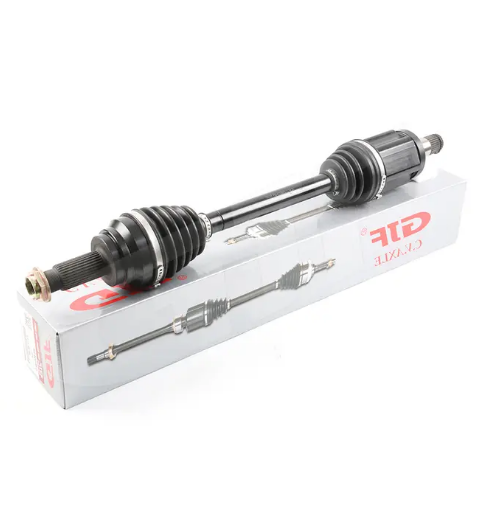
Often hidden beneath the vehicle, the drive shaft is the unsung hero of the drivetrain. This critical component diligently transfers torque from the transmission to the wheels, making motion possible. Yet, for such a vital part, a significant debate exists around its construction material. Enthusiasts, racers, and even fleet managers frequently consider moving from the Original Equipment Manufacturer (OEM) steel shaft to an aftermarket aluminum alternative. This decision is not just about choosing a different metal; it's about altering the vehicle's performance characteristics, from acceleration to cabin noise.
The drive shaft is a critical component in the automotive industry, responsible for transmitting torque from the engine to the wheels. Understanding the costs associated with drive shaft replacement is essential for car owners and repair shops alike. This article delves into the factors influencing the cost of drive shaft replacement, with a focus on different car models, including Japanese and German vehicles. For those interested in a comprehensive overview of drive shafts, the Auto Drive Shaft page provides valuable insights.
The drive shaft is a critical component in the automotive industry, playing a vital role in the transmission of power from the engine to the wheels. It is essential for the smooth operation of a vehicle, ensuring that power is efficiently transferred to enable movement. But what happens if a drive shaft breaks while driving? This question not only concerns vehicle safety but also highlights the importance of understanding the mechanics behind drive shafts. In this article, we will explore the implications of a broken drive shaft, the causes behind such failures, and the preventive measures one can take. For those interested in learning more about drive shafts, you can explore the extensive product range offered by Drive Shaft.
GJF at the Korea Auto Parts Exhibition: Connecting with the Asian Drivetrain MarketIn October (22nd to 24th), GJF Auto Parts participated in a professional Korea auto parts exhibition (한국 자동차 부품 전시회), continuing its active engagement with the Asian automotive aftermarket.This exhibition marked an im
The drive shaft is a critical component in the automotive industry, responsible for transmitting torque and rotation to the wheels. Understanding how to properly remove and maintain a drive shaft is essential for mechanics and car enthusiasts alike. This article delves into the intricacies of drive shaft removal, offering insights into the best practices and considerations for different types of vehicles. For those interested in exploring a wide range of drive shaft options, the Wholesale Drive Shaft section provides extensive choices.
Often hidden beneath the vehicle, the drive shaft is the unsung hero of the drivetrain. This critical component diligently transfers torque from the transmission to the wheels, making motion possible. Yet, for such a vital part, a significant debate exists around its construction material. Enthusiasts, racers, and even fleet managers frequently consider moving from the Original Equipment Manufacturer (OEM) steel shaft to an aftermarket aluminum alternative. This decision is not just about choosing a different metal; it's about altering the vehicle's performance characteristics, from acceleration to cabin noise.
The drive shaft is a critical component in the automotive industry, responsible for transmitting torque from the engine to the wheels. Understanding the costs associated with drive shaft replacement is essential for car owners and repair shops alike. This article delves into the factors influencing the cost of drive shaft replacement, with a focus on different car models, including Japanese and German vehicles. For those interested in a comprehensive overview of drive shafts, the Auto Drive Shaft page provides valuable insights.
The drive shaft is a critical component in the automotive industry, playing a vital role in the transmission of power from the engine to the wheels. It is essential for the smooth operation of a vehicle, ensuring that power is efficiently transferred to enable movement. But what happens if a drive shaft breaks while driving? This question not only concerns vehicle safety but also highlights the importance of understanding the mechanics behind drive shafts. In this article, we will explore the implications of a broken drive shaft, the causes behind such failures, and the preventive measures one can take. For those interested in learning more about drive shafts, you can explore the extensive product range offered by Drive Shaft.
GJF at the Korea Auto Parts Exhibition: Connecting with the Asian Drivetrain MarketIn October (22nd to 24th), GJF Auto Parts participated in a professional Korea auto parts exhibition (한국 자동차 부품 전시회), continuing its active engagement with the Asian automotive aftermarket.This exhibition marked an im
The drive shaft is a critical component in the automotive industry, responsible for transmitting torque and rotation to the wheels. Understanding how to properly remove and maintain a drive shaft is essential for mechanics and car enthusiasts alike. This article delves into the intricacies of drive shaft removal, offering insights into the best practices and considerations for different types of vehicles. For those interested in exploring a wide range of drive shaft options, the Wholesale Drive Shaft section provides extensive choices.