Views: 0 Author: Site Editor Publish Time: 2026-04-07 Origin: Site
The sudden, rhythmic clicking from a front wheel during a turn is more than an annoyance; it's the sound of an impending, and often expensive, drivetrain failure. Many vehicle owners face the economic reality of this problem, weighing the cost of preventive care against a premature and costly axle replacement. The Constant Velocity (CV) joint is a marvel of mechanical engineering, essential for transferring torque from the transmission to the wheels in modern front-wheel and all-wheel drive vehicles. It allows the drive shaft to transmit power through a variable angle, at a constant rotational speed, without a significant increase in friction or play. This guide provides a professional technical framework for extending the service life of an Auto CV Joint. You will learn how proactive inspection, correct lubrication, and high-quality component selection can save you hundreds, if not thousands, of dollars over the life of your vehicle.
The Boot is the Lifeline: 90% of CV joint failures are caused by boot compromise, not internal mechanical wear.
Grease Specification Matters: Using the wrong lubricant (e.g., general-purpose chassis grease) accelerates friction-induced failure.
Regional Nuances: Maintenance requirements for a CV Joint For Korean Car may differ from a CV Joint For Chinese Car due to varying OEM material standards.
TCO Optimization: Regular $20 boot inspections can prevent $500+ axle assembly replacements.
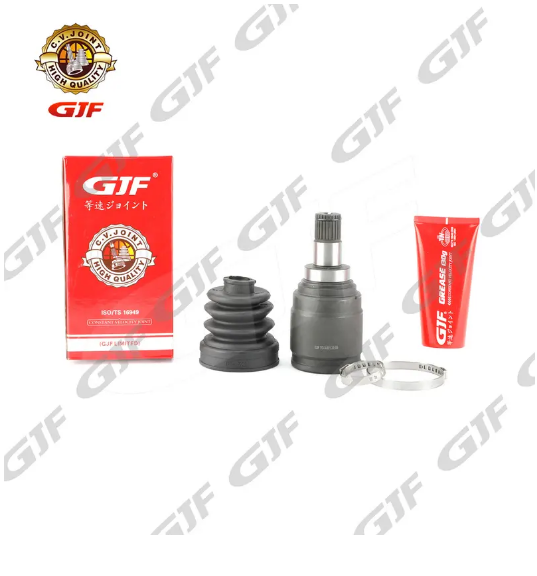
Understanding why a CV Joint fails is the first step toward preventing it. While these components are designed for durability, their operating environment is harsh, and their reliance on a pristine internal environment makes them vulnerable. The vast majority of failures are not due to metal fatigue from normal use but from external factors that compromise this environment.
The single greatest threat to a CV joint is the failure of its protective rubber or thermoplastic boot. Once this boot is torn, cracked, or improperly sealed, the contamination cycle begins. Road grit, sand, salt, and moisture find their way inside. This contamination mixes with the specialized grease, turning it from a high-performance lubricant into a gritty, abrasive paste. This paste rapidly accelerates wear on the precisely machined ball bearings and races inside the joint, leading to excessive play, noise, and eventual catastrophic failure.
The inner and outer CV joints on a drive axle experience different types of stress. The outer joint, located at the wheel hub, must accommodate the significant angles of the steering system. This constant articulation generates considerable friction and heat. In contrast, the inner joint, which connects to the transaxle, primarily allows for changes in the suspension's length as it moves up and down. It operates at a much smaller angle but is subjected to more plunging (in-and-out) motion. Centrifugal force works to fling grease away from the contact points, making the grease's adhesive properties critical. High speeds and temperatures can degrade the grease, reducing its ability to protect the metal components under load.
Catching a failing CV joint early can mean the difference between a simple boot replacement and a full axle assembly job. Pay close attention to these cues:
Auditory Cues: The most classic sign of a worn outer CV joint is a distinct clicking or popping noise that occurs when making tight turns, such as in a parking lot. A clunking sound during acceleration or deceleration often points to a problem with the inner CV joint, as it indicates excessive play.
Visual Cues: A compromised CV boot will sling grease as the axle rotates. Look for dark, heavy grease splattered on the inside of the wheel, on the brake components, or along the chassis near the axle. A small tear can create a surprisingly large mess.
Physical Cues: A failing inner CV joint can cause a noticeable vibration that is felt through the vehicle, particularly at highway speeds or under acceleration. This vibration is due to the joint's inability to smoothly transmit power as it plunges in and out with suspension travel.
Since the CV boot is the component's primary defense, a "boot-first" maintenance strategy is the most effective approach to ensuring drivetrain longevity. This proactive method focuses on inspection and early intervention, preserving the critical internal components before they are damaged.
Make CV joint boot inspections a routine part of your vehicle maintenance. The ideal time to perform these checks is during other regular services, creating a consistent schedule. We recommend a visual inspection at every oil change or tire rotation, which typically occurs every 5,000 to 7,500 miles. During these inspections, a technician or owner should carefully examine each of the four boots (on a typical front-wheel-drive car) for any signs of cracking, tearing, or loose clamps. Turn the steering wheel to full lock in both directions to fully expose the outer boots for a more thorough examination.
Not all CV boots are created equal. The material they are made from significantly impacts their durability, especially in harsh climates. Understanding the differences is key to choosing a quality replacement.
| Material | Pros | Cons | Best For |
|---|---|---|---|
| Neoprene | Highly flexible, good resistance to oil and grease. | Can become brittle in extreme cold or degrade under high heat. Shorter lifespan than TPE. | Moderate climates without extreme temperature swings. |
| Thermoplastic (TPE) | Excellent resistance to temperature extremes, abrasion, and road debris. Longer service life. | Less flexible, which can make installation more challenging. | Regions with very hot summers, freezing winters, or poor road conditions. |
If you catch a torn boot early, before the joint starts making noise, you may have the option to simply reboot the joint. This process involves removing the axle, cleaning all the old grease and any contaminants out of the joint, inspecting the internal components for wear, repacking it with fresh, high-quality grease, and installing a new boot kit. This is far more labor-intensive than replacing the whole axle but can be cost-effective if the joint itself is still in perfect condition. It's a judgment call: if there is any sign of wear or if the joint has been clicking, it's safer and often smarter in the long run to replace the entire axle assembly.
Technicians and DIYers sometimes consider "split-boot" kits as a temporary fix. These are boots designed to be installed without removing the axle shaft. While they can seem like a convenient, short-term solution to stop grease from slinging, they are not a reliable permanent repair. The glued seam can fail, and it's impossible to properly clean the contaminated grease from the joint without disassembly. A full teardown and reboot, or a complete axle replacement, is always the professionally recommended course of action for long-term reliability.
The grease inside a CV joint is not just a simple lubricant; it's a highly engineered substance designed to withstand extreme conditions. Using the wrong type of grease is a common mistake that guarantees premature failure. It's as critical as the boot's integrity.
Constant Velocity joints operate under immense pressure at the contact points between the ball bearings and the races. To prevent metal-to-metal galling and wear, the grease must contain extreme pressure (EP) additives. The most effective and universally specified additive for this application is Molybdenum Disulfide (MoS2). This compound forms a sacrificial layer on the metal surfaces, providing lubrication even if the grease film is momentarily squeezed out under high torque. Never use a general-purpose chassis or bearing grease; it lacks the necessary MoS2 content and will fail quickly.
Grease is essentially oil suspended in a thickener. Shear stability is a measure of the grease's ability to maintain its consistency under the constant churning and mechanical force inside the joint. Poor shear stability causes the grease to break down, thin out, and separate, losing its ability to lubricate effectively. Additionally, high temperatures accelerate oxidation, which hardens the grease and reduces its performance. A high-quality CV joint grease is formulated for excellent shear stability and contains antioxidants to ensure a long service life.
It is critical to never mix different types of grease. Greases are made with different thickener bases, such as Lithium, Lithium Complex, or Polyurea. Mixing these bases can cause a chemical reaction that results in the grease thinning out dramatically and losing all its lubricating properties. When repacking a joint, you must clean out 100% of the old grease before applying the new lubricant. The grease supplied in a high-quality boot or joint kit is specifically matched to the application and should always be used.
The load requirements for different vehicles can vary. A heavy-duty truck or a high-performance sports car will place much greater stress on its CV joints than a lightweight economy car. For these applications, it's essential to use a grease that meets or exceeds the original equipment manufacturer's (OEM) specifications. Look for greases with a higher viscosity base oil and a robust additive package designed for high-torque, high-temperature environments. Adhering to these technical specifications ensures the lubricant can handle the specific demands of the vehicle.
The global automotive market means that technicians and consumers deal with parts from all over the world. While the fundamental design of a CV joint is universal, the engineering details, material standards, and aftermarket quality can vary significantly between vehicles from different regions.
There can be subtle but important differences in the manufacturing standards for a CV Joint For Korean Car, such as those from Hyundai or Kia, compared to a CV Joint For Chinese Car from brands like Geely or BYD. OEMs in different markets may specify different steel alloys for the cage, races, and housing, affecting overall strength and wear resistance. Tolerances might also differ slightly, impacting the smoothness of operation and longevity. As a rule, always source parts that explicitly state they are engineered to meet the OEM specifications for your specific make and model.
Navigating the aftermarket for imported vehicles requires diligence. The market is often flooded with parts across a wide spectrum of quality. For both Korean and Chinese vehicles, you can find everything from premium, OE-equivalent parts to low-cost "white box" options. Low-quality replacements may use inferior metallurgy, less precise machining, and lower-grade boot materials. These parts may fit correctly but will not deliver the service life or reliability of a high-quality unit. It's a classic case of getting what you pay for.
Manufacturing regions can influence material choices. For example, parts designed for markets with heavy road salt usage in winter or high coastal humidity require superior corrosion resistance on the outer housing. The coatings and metal treatments used can vary. When selecting a replacement part, consider your local climate. If you live in an area with harsh environmental conditions, investing in a part with enhanced corrosion protection can prevent the housing from degrading and ensure the boot clamps maintain a proper seal over time.
A successful CV joint repair doesn't end with selecting a quality part. Proper installation is a technical procedure where cutting corners can lead to immediate problems or catastrophic failure down the road. Attention to detail is paramount.
Many vehicles use single-use, "stretch" bolts, also known as Torque-to-Yield (TTY) bolts, to secure the axle to the hub or transmission flange. These bolts are designed to stretch permanently when torqued to the correct specification. Reusing them is extremely dangerous. A reused stretch bolt will not provide the correct clamping force, can back out over time, and may shear off, leading to the wheel separating from the vehicle. Always replace these bolts with new OEM or equivalent hardware during any repair.
Precision is not optional. Following the manufacturer's specific torqueing procedure is crucial. This often involves a multi-stage process: an initial torque setting, followed by an additional angle of rotation (e.g., 90 degrees). This TTY method ensures the correct amount of bolt stretch and clamping force to maintain the bearing preload and secure the joint. Using a standard torque wrench for the initial setting and a torque angle gauge for the final step is non-negotiable for a safe and reliable repair.
Achieving a perfect seal on the CV boot requires the right tools. While some people attempt to use standard pliers or cutters on the boot clamps, this rarely results in a proper seal. Specialized CV boot clamp pliers are designed to apply even, consistent pressure to properly tension the clamp without damaging it. This creates a vacuum-tight seal that is essential for keeping grease in and contaminants out. Investing in or borrowing the correct tool is a small price to pay for ensuring the longevity of the repair.
Even experienced technicians can make mistakes. One of the most common installation errors is over-extending the inner CV joint during other suspension work, like replacing a strut. Pulling the knuckle too far outward can cause the inner tripod joint to pull apart inside the boot. This can dislodge the bearings or damage the cage, leading to vibration and premature failure. Always support the axle shaft properly and avoid letting it hang by the inner joint.
Making the right financial and mechanical decision involves looking beyond the immediate price tag. A strategic approach to sourcing parts weighs the total cost of ownership against long-term reliability and peace of mind.
When a CV joint fails, you have options. You can replace just the boot, the individual joint, or the entire axle assembly. The TCO calculation helps you decide. Factor in not just the price of the part, but also the cost of labor. Rebooting a joint is part-intensive but labor-heavy. Replacing the entire axle is part-heavy but often quicker for a technician, potentially lowering the labor bill. If your time is valuable, a full axle replacement often provides the best balance of cost and efficiency.
The choice between a new and a remanufactured axle assembly can be complex. Quality varies widely in the remanufacturing industry. Here’s how they compare:
| Factor | New OE-Spec Assemblies | Remanufactured Assemblies |
|---|---|---|
| Components | All components are new, meeting original factory specifications. | A mix of reused original parts (axle shaft, housing) and new wear items (joint, boots, grease). |
| Reliability | Highest long-term reliability and consistent performance. | Variable. High-quality remans are excellent; low-quality units may have "reground" races that wear quickly. |
| Risk | Minimal risk of premature failure. | Higher risk of issues if the remanufacturing process is subpar. Inspect carefully upon purchase. |
| Cost | Typically the highest initial cost. | Generally lower initial cost, but potential for higher TCO if it fails early. |
When choosing a supplier for a new Car CV Joint or axle assembly, look for signs of quality and professionalism. Key criteria should include:
Certifications: Look for suppliers who adhere to quality management standards like ISO 9001. This indicates a commitment to consistent manufacturing processes.
Material Transparency: Reputable suppliers can provide information on the materials used, such as the grade of steel and the type of boot material (Neoprene vs. TPE).
Comprehensive Warranty: A strong warranty is a sign that the manufacturer stands behind its product's durability and performance.
Positive Industry Reviews: Seek out feedback from professional technicians and trusted automotive forums.
Extending the life of your vehicle's CV joints is not about luck; it's about adopting a proactive maintenance mindset. The overwhelming majority of failures are preventable, stemming from ignored, damaged boots that allow contamination to destroy an otherwise healthy component. By shifting focus from reactive repair to proactive inspection, you can avoid costly breakdowns and ensure the long-term health of your drivetrain.
Your primary takeaway should be this: prioritize the integrity of the CV boot and the quality of the grease above all else. These two factors can realistically double the expected lifespan of the joint. Take a few minutes during your next oil change to perform a thorough visual inspection of each boot. This simple, no-cost action is the single most effective step you can take today to prevent a significant mechanical failure tomorrow.
A: Under ideal conditions with intact boots and clean roads, a factory CV Joint can last 100,000 miles or more. However, in harsh conditions involving road salt, potholes, or rough terrain, its lifespan can be significantly shorter. The life of the joint is almost entirely dependent on the life of its protective boot.
A: You can, but it's a race against time. A torn boot allows dirt and moisture in, which turns the grease into an abrasive paste. The "point of no return" is when the joint starts clicking. At that point, internal damage has already occurred, and the entire joint or axle needs replacement. If caught early, you can just replace the boot.
A: The outer CV joint connects the axle to the wheel hub and is designed to handle the steep angles of steering. This is the joint that typically clicks on turns when it fails. The inner CV joint connects to the transmission/transaxle and is designed to plunge in and out, accommodating suspension movement. It usually clunks or causes vibration upon failure.
A: Not necessarily. While the design principles are similar, fitment dimensions, spline counts, and material specifications can differ. A CV Joint For Chinese Car must be matched specifically to the vehicle's make, model, and year. Attempting to use a part designed for a European model will likely result in improper fitment, poor performance, and safety issues. Always use parts specified for your exact vehicle.
A: The boot kit itself is very inexpensive (parts-wise). However, replacing it requires significant labor to remove the axle and service the joint. Often, the labor cost for a boot replacement can approach that of a full axle replacement. If the joint is old or has been exposed to contaminants for any length of time, replacing the entire axle assembly is often the more reliable and cost-effective repair in the long run.


